
Recent developments in the adversarial robustness of multimodal AI systems highlight the increasing importance of securing these systems against malicious attacks. Here’s a summary of the key findings and trends:
Key Developments:
- Vulnerability Amplification: Multimodal AI systems, which integrate data from various sources like text, images, video, and audio, are becoming more vulnerable to adversarial attacks. This is because they inherit the vulnerabilities of each modality, and these vulnerabilities can be amplified when combined.
- Cross-Modal Exploitation: Adversaries can exploit the relationships between different modalities to cause undesired behavior. For example, manipulating an image might influence the model’s interpretation of associated text or sounds.
- New Detection Frameworks: Researchers are developing new frameworks to identify adversarial threats in multimodal foundation models. One such framework uses a topology-based approach to detect attacks, regardless of their origin, by analyzing how text and images are aligned in a high-dimensional space.
- Enhanced Resilience: Some research indicates that multimodal models exhibit greater resilience against adversarial attacks compared to single-modality models. This suggests that integrating multiple modalities can improve the robustness of deep learning systems.
- Universal Adversarial Attacks: A universal adversarial attack on multimodal Large Language Models (LLMs) has been proposed. This attack uses a single optimized image to bypass alignment safeguards across diverse queries and models, forcing the model to respond with unsafe content.
- Adversarial Training: Adversarial training, where models are trained on adversarially manipulated data, remains a key defense strategy. However, it’s also recognized that achieving both robustness and generalization in adversarially trained models involves a trade-off.
- Surveys of the Threat Landscape: Practitioner-focused surveys are emerging to outline attack types and how multimodal adversarial threats have evolved, aiming to equip ML practitioners with the knowledge to recognize these vulnerabilities.
Research Directions & Challenges:
- Understanding Modality Interactions: Further research is needed to understand how data flows across modalities in AI models, as this could be key to studying the robustness of multimodal AI systems.
- Developing Robust Evaluation Methods: There’s a need for more robust safety evaluations and defense strategies for multimodal systems.
- Addressing the “Arms Race”: The field faces an ongoing “arms race” between attacks and defenses, requiring continuous innovation in defense mechanisms.
- Balancing Robustness and Generalization: A key challenge is to develop models that are both robust against adversarial attacks and capable of generalizing well to unseen data.
- Real-World Threat Models: Focus is needed on defending against discrete attacks, which are more relevant in real-world scenarios.
Commentary:
The developments in adversarial robustness for multimodal AI systems reveal a complex and evolving landscape. While the integration of multiple modalities can offer some inherent resilience, it also introduces new vulnerabilities that malicious actors can exploit. The research community is actively working to develop new detection and defense mechanisms, but the “arms race” dynamic means that continuous vigilance and innovation are essential.
The increasing sophistication of adversarial attacks, such as universal adversarial attacks, highlights the need for robust safety evaluations and defense strategies, particularly for LLMs deployed in safety-critical applications. Furthermore, the trade-off between robustness and generalization remains a significant challenge, requiring careful consideration in model development and deployment.
As multimodal AI systems become more prevalent in various sectors, including healthcare, autonomous vehicles, and security, ensuring their robustness against adversarial attacks is paramount.
Disclaimer: above content was searched, summarized, synthesized and commented by AI, which might make mistakes.
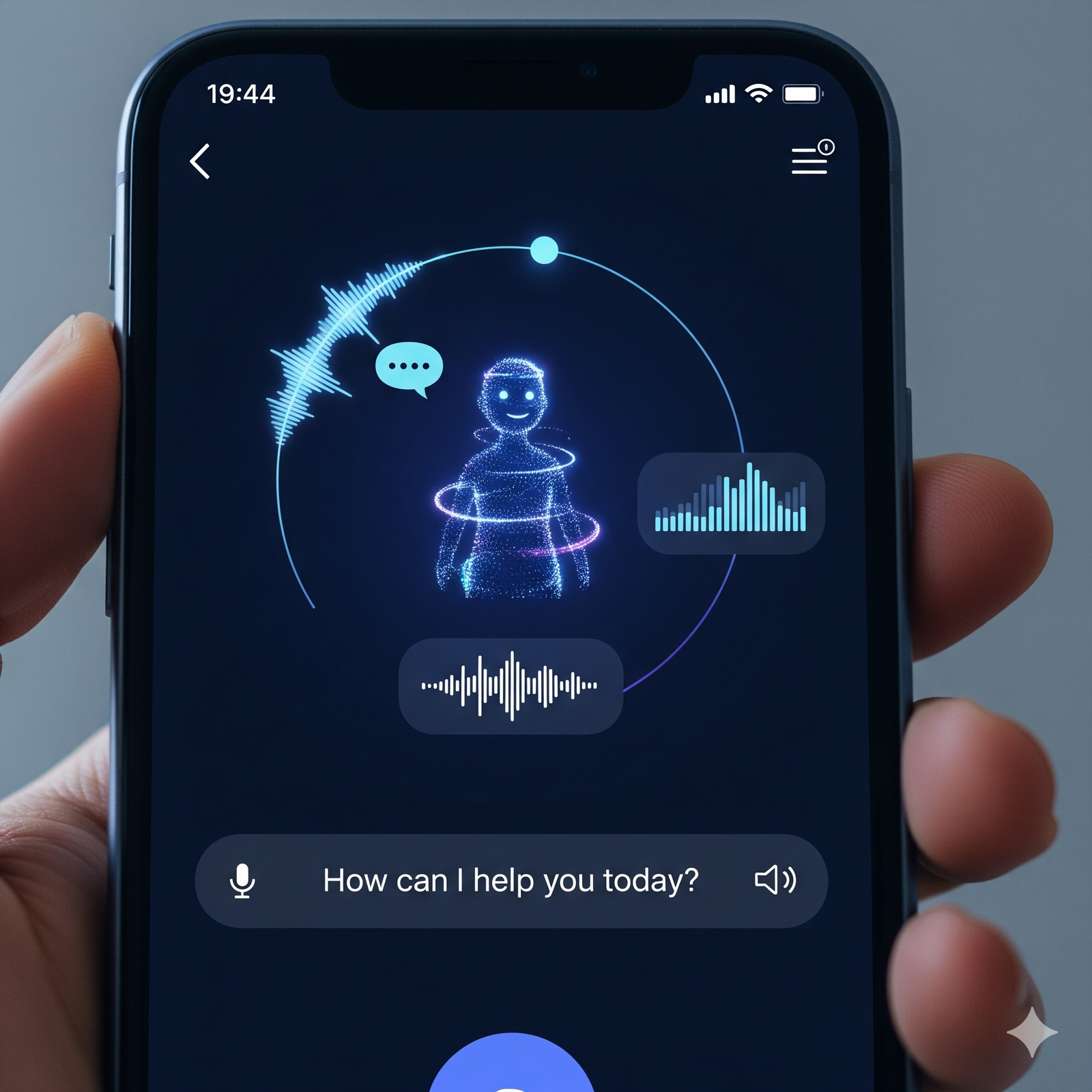
Offered by Creator: SpeakLens is a revolutionary mobile application developed to provide users with an intuitive and immersive AI companion experience. By seamlessly integrating advanced audio and visual processing with a state-of-the-art AI model, SpeakLens enables natural conversations and real-time understanding of the user’s surroundings.

Leave a Reply