Multimodal Dialogue Management focuses on enabling computers to understand and respond to human communication that combines multiple modes of input such as speech, text, images, and gestures. The goal is to create more natural and intuitive interactions between humans and machines. Recent developments in this area span across improvements in AI models, integration of Large Language Models (LLMs), and the creation of more versatile and context-aware systems.
Key Developments and Trends:
- Integration of Large Language Models (LLMs): LLMs like GPT-4, Gemini, and Claude are now being used to orchestrate entire conversations, summarize documents, and understand user intent with greater precision. They are moving beyond simple intent recognition to manage complex dialogue flows.
- Multimodal AI Systems: Models such as GPT-4V, Gemini 1.5, and Meta’s ImageBind can process multiple data types (text, images, audio, video) simultaneously. This enables richer and more interactive experiences in fields like healthcare (analyzing radiology reports), retail (visual search), and education (interactive tutoring).
- Improved Natural Language Processing (NLP): NLP remains a critical modality, enabling robots to understand and respond to human speech in a natural way. Speech recognition, a key component of NLP, is used to convert speech to text, which then helps in interpreting commands and requests.
- Applications in Human-Robot Interaction (HRI): Multimodal dialogue management is enhancing HRI, allowing robots to use speech, computer vision, and haptic feedback to manage dialogues. Robots can now recognize and interpret visual cues and even understand human emotions through facial expression recognition.
- Dialogue Management Approaches:
- Data-Driven Approaches: These approaches use machine learning (ML), including supervised and reinforcement learning, to learn dialogue states and policies from data.
- Hybrid Methods: These integrate retrieval and generation techniques and enhance dialogue with external knowledge.
Commentary:
The field of multimodal dialogue management is rapidly evolving, driven by advances in AI and deep learning. The integration of LLMs and the ability to process multiple modalities are enabling more sophisticated and natural human-computer interactions. This has significant implications for various applications, including customer service, HRI, and virtual assistants.
However, challenges remain in creating dialogue management techniques that offer human-like conversational prowess. Future research directions include:
- Automated generation and formal verification of dialogue management models.
- Supporting more complex conversation tasks across multiple topics and domains.
- Bridging the heterogeneity and semantic gaps in multimodal systems.
Disclaimer: above content was searched, summarized, synthesized and commented by AI, which might make mistakes.
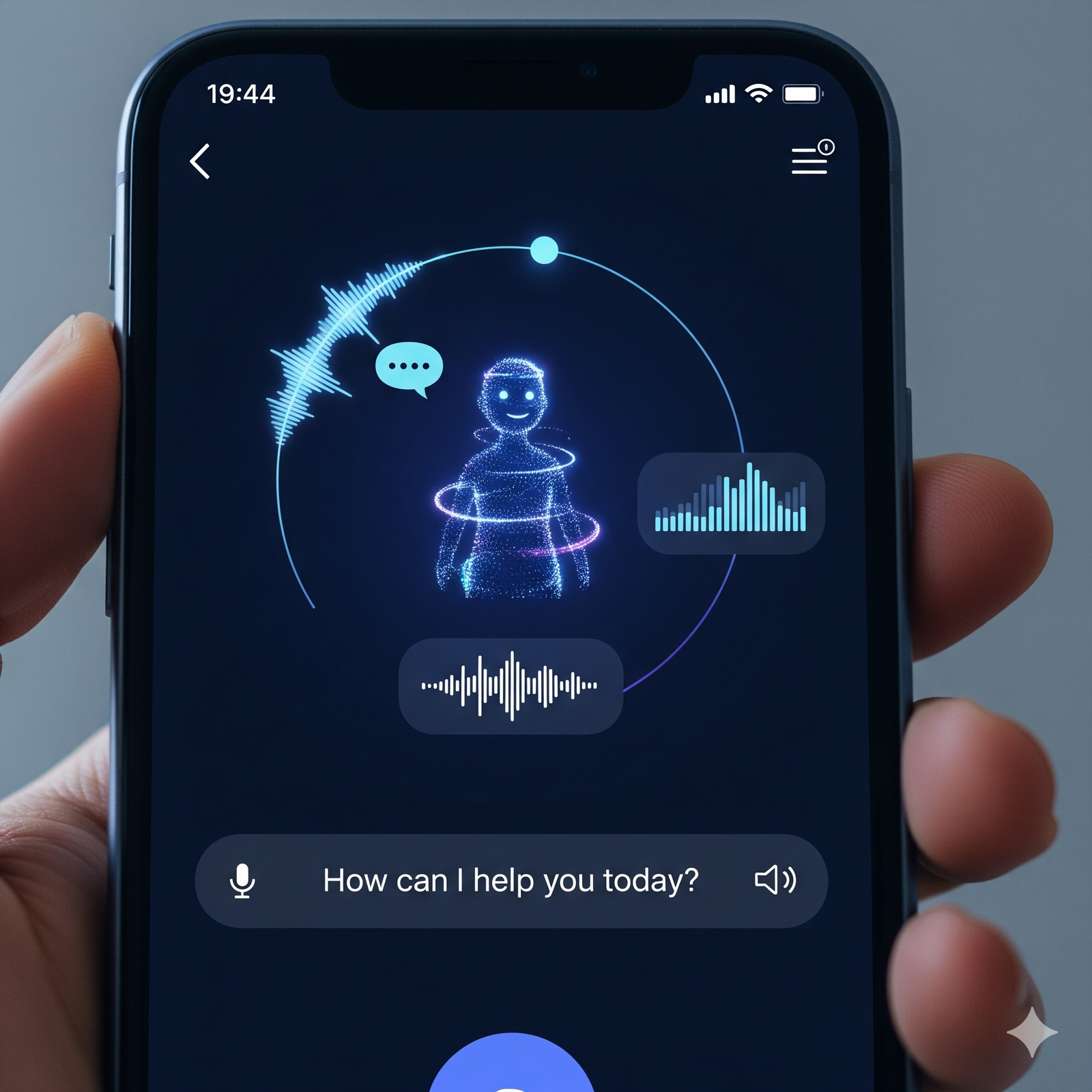
Offered by Creator: SpeakLens is a revolutionary mobile application developed to provide users with an intuitive and immersive AI companion experience. By seamlessly integrating advanced audio and visual processing with a state-of-the-art AI model, SpeakLens enables natural conversations and real-time understanding of the user’s surroundings.

Leave a Reply