
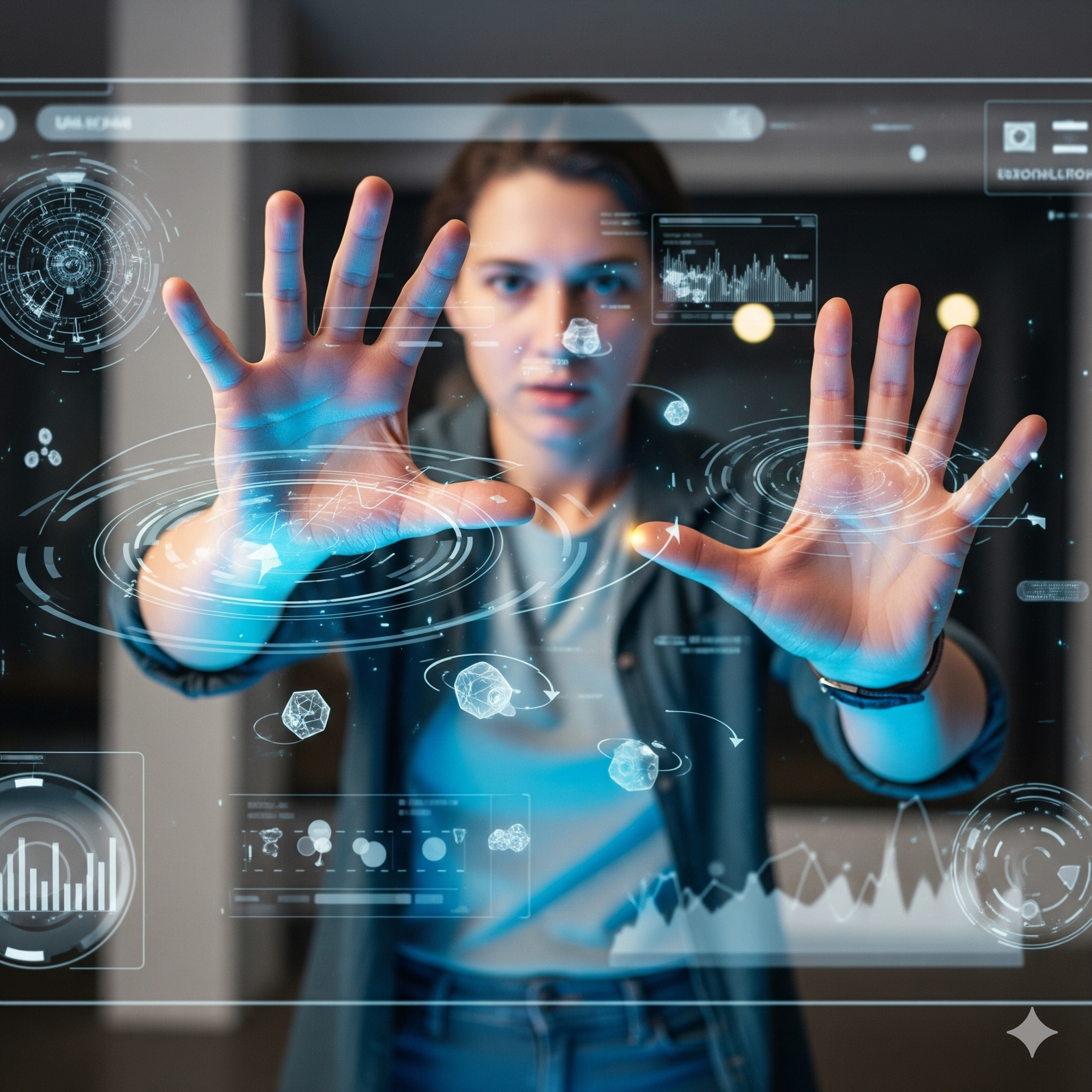
Based on my research, here are some recent and significant developments regarding computer vision security concerns, particularly focusing on gesture recognition systems:
Key Concerns and Challenges:
- Privacy and Data Security: Computer vision systems, especially those used in gesture recognition, require access to large amounts of data, raising concerns about the collection, storage, and security of this sensitive information. Ensuring that this data collection doesn’t pose risks to users’ privacy is a significant challenge.
- Unauthorized Surveillance and Data Breaches: The extensive collection and analysis of visual data can lead to misuse, such as unauthorized surveillance and data breaches, compromising personal privacy. The use of computer vision in private settings, like homes, without proper consent also raises privacy risks.
- Algorithmic Bias and Discrimination: Computer vision algorithms can inherit biases from training data, leading to discriminatory outcomes. If hackers gain access to training data, they could corrupt or steal the system, exacerbating biased behavior.
- Adversarial Attacks: Computer vision systems are vulnerable to adversarial attacks, where carefully crafted perturbations to input data can cause the models to make incorrect predictions or behave unexpectedly. These attacks exploit limitations of deep neural networks and can have severe consequences, especially in safety-critical applications.
- AI-Specific Attacks: AI technologies introduce unique vulnerabilities like model inversion (reconstructing training data) and membership inference (determining if specific data was used in training).
- Social Acceptability: The social acceptability of gesture interfaces on mobile devices is a significant challenge, as their adoption is often limited by social factors rather than technical ones.
- High Implementation Costs: High implementation costs, technological complexity, and integration challenges can restrain the adoption of gesture and touchless systems, especially among smaller businesses.
Recent Developments and Trends:
- Real-time Threat Detection and Response: Computer vision enables real-time threat response by identifying and analyzing threats as they occur. For example, security cameras with computer vision can detect unauthorized individuals and initiate lockdown protocols.
- Automated Vulnerability Detection: Computer vision can automate the detection of vulnerabilities in security systems by analyzing visual data from infrastructure inspections and scanning for unauthorized devices.
- Integration of Physical and Cyber Security: Combining computer vision with cybersecurity measures is becoming crucial for protecting against both physical and digital threats.
- Gesture Recognition for Security Risk Assessment: Research is exploring the use of CNNs and hand gesture detection using CCTV data to perform real-time security risk assessments.
- AI-Enhanced Gesture Recognition: The rising trend of AI-enhanced gesture recognition systems enables more accurate and intuitive interaction, opening new avenues for innovation and market expansion.
- Focus on Privacy-Preserving Techniques: There’s increasing emphasis on developing systems with strong privacy and security research, including facial recognition systems and comprehensive computer vision security platforms.
- Interactive Visual Privacy Control: Methods are being developed for individuals to control their visual privacy through interaction using tags, hand gestures, and combinations thereof.
- Growth in Touchless Sensing Market: The global gesture recognition and touchless sensing market is expected to grow significantly, driven by the rising demand for contactless interfaces and automation across various industries.
Commentary:
The developments in computer vision security highlight a growing awareness of the potential risks associated with these technologies. While computer vision offers significant benefits in security and surveillance, it also introduces new vulnerabilities and ethical concerns. Addressing these challenges requires a multi-faceted approach, including:
- Strengthening Data Protection Measures: Implementing robust encryption and secure storage to safeguard data collected by computer vision systems.
- Developing Robust Defense Mechanisms: Creating defense mechanisms against adversarial attacks and implementing strict security measures to prevent misuse.
- Addressing Algorithmic Bias: Diversifying training data and incorporating algorithms designed to overcome biases.
- Enhancing User Privacy Controls: Providing users with greater control over their data and ensuring transparency in how computer vision systems are used.
- Promoting Ethical Guidelines and Regulations: Establishing clear ethical guidelines and regulations for the development and deployment of computer vision technologies.
- Balancing Innovation and Security: Finding a balance between innovation and security to ensure that computer vision technologies are used responsibly and ethically.
By addressing these concerns, we can harness the power of computer vision while mitigating its risks and ensuring that these technologies are used for the benefit of society.
Disclaimer: above content was searched, summarized, synthesized and commented by AI, which might make mistakes.
Offered by Creator: Telegesture lets you control your phone or other compatible devices from a distance through hand gestures leveraging advanced computer vision and machine learning techniques analyzing the device’s camera data in real time. It feels especially awesome when you project your device screen to a TV or projector, as if you are controlling the TV or projector from afar through Telekinesis power!

Leave a Reply