
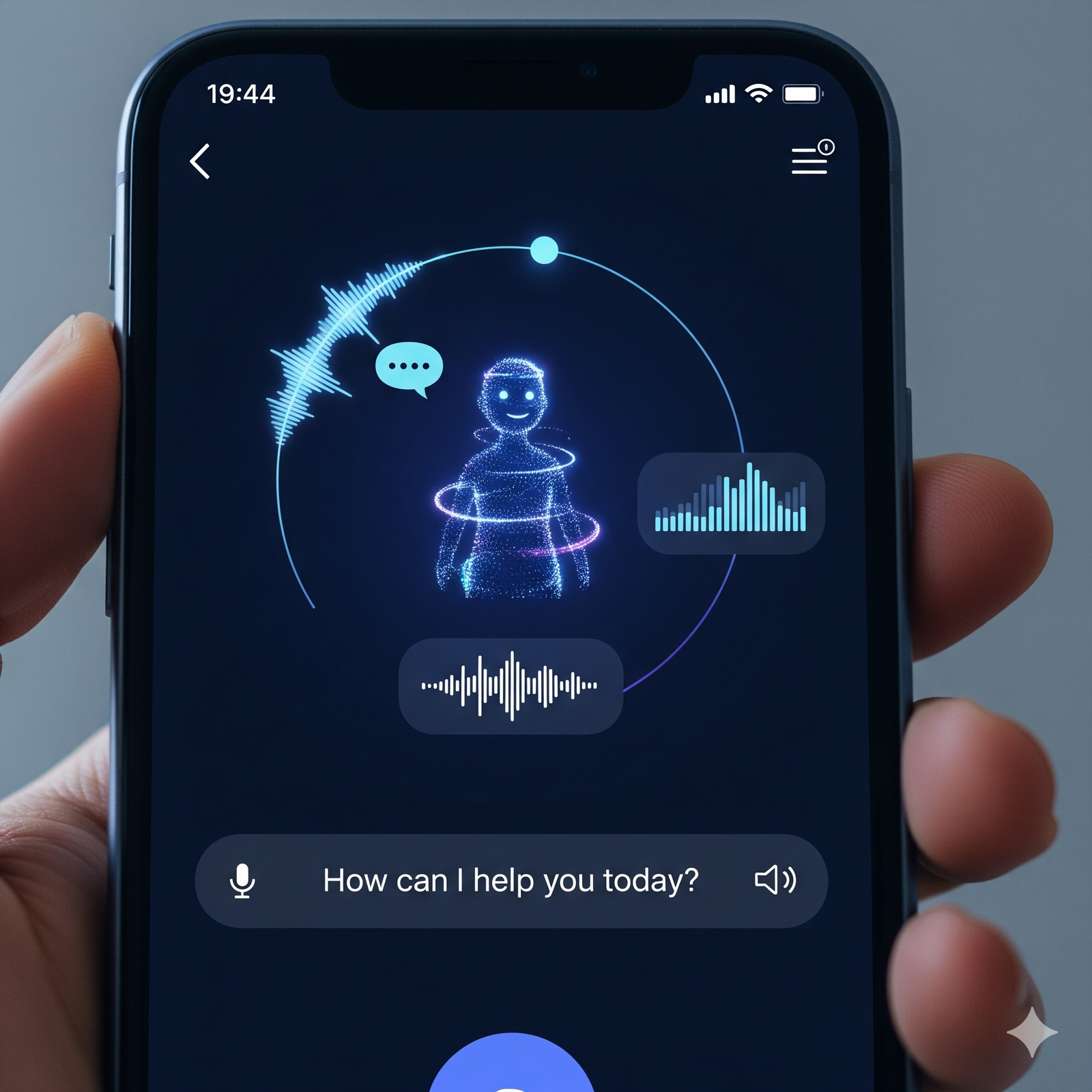
Based on my research, here are some recent developments regarding AI companions:
Recent Developments and Trends:
- Growth and Popularity: The AI companion market is experiencing substantial growth. Search interest in “AI Companion” increased by 106% in the past year. In the first half of 2025 alone, AI companion apps generated $82 million in revenue and are projected to surpass $120 million by the end of the year. These apps have been downloaded 220 million times worldwide, with a significant jump in new installs in the first half of 2025.
- Teenage Usage: A significant number of teenagers are using AI companions regularly. Surveys indicate that over half of teenagers have experimented with AI companions, and many have ongoing relationships with them. They use these AI for various purposes, including general conversation, emotional support, role-playing, and even romance.
- Merging with Mental Health Tools: A concerning trend is the merging of AI companions with mental health tools. AI chatbots are being marketed as companions and sources of mental health advice, which raises ethical concerns because AI lacks an ethical compass and can collect user data.
- Loneliness Alleviation: Studies suggest that AI companions can help alleviate loneliness. Research indicates that users turn to AI companions to cope with loneliness and discuss personal issues. AI companions can reduce loneliness as effectively as interacting with another person.
- Shift Towards Romance-Focused Apps: The AI companion market is dominated by romance-oriented apps. A significant percentage of active apps include terms like “girlfriend” or “boyfriend” in their names, indicating a focus on providing romantic experiences.
- Increasing Sophistication: AI companions are being designed with enhanced emotional intelligence and response capabilities. Advancements in natural language processing and machine learning enable more personalized and empathetic interactions. Features like voiceovers are also being added to make conversations more realistic.
- Customization: Many AI companion apps offer extensive customization options, allowing users to tailor the AI’s appearance, personality, and interests. Some apps even allow users to create virtual girlfriends or romantic partners with specific traits.
- Integration with Smart Homes: AI companions are increasingly being integrated with smart home ecosystems, allowing users to control devices, manage schedules, and receive personalized assistance.
- Growing Concerns and Regulation: As AI companions become more prevalent, concerns are growing about their potential risks, especially for vulnerable populations like teenagers. Issues include emotional dependency, privacy violations, and the impact on developing social skills. Some regions are beginning to introduce legislation to limit AI usage in therapy and protect users.
Specific AI Companion Apps and Platforms:
- Replika: A popular AI-powered chatbot designed to be a personal companion, offering features like language tutoring, games, and interactive stories.
- Character.AI: A platform that allows users to create and chat with unique AI personalities, suitable for various use cases, including learning.
- Kindroid: Known for its long-term memory capabilities, allowing for better and more coherent conversations.
- Anima: An AI chatbot designed to be a virtual companion, suitable for casual conversations and role-playing.
- Crushon AI: Offers a blend of casual conversation and flirty banter, adapting to the user’s conversation style.
- Candy AI: Allows users to create a virtual girlfriend with customized looks, personality, and quirks.
- Talkie AI: Offers realistic conversations with voiceovers, allowing users to engage with diverse AI personas.
- HeraHaven: Designed to provide an unrestricted conversational experience with a focus on user freedom and emotional depth.
Commentary:
The rapid evolution and increasing popularity of AI companions present both exciting opportunities and significant challenges. On one hand, these AI offer companionship, emotional support, and personalized assistance, potentially alleviating loneliness and improving mental well-being for some users. The capacity for customization and the increasing sophistication of AI interactions create engaging and supportive experiences.
However, the ethical concerns surrounding AI companions, particularly their impact on vulnerable individuals and the potential for data collection and misuse, cannot be ignored. The blurring lines between companionship and therapy, the lack of ethical guidelines for AI, and the potential for emotional dependency raise serious questions about the long-term effects of these technologies. The focus on romance-oriented apps also highlights the need for responsible development and usage, especially among younger users.
Moving forward, it is crucial to prioritize user safety, privacy, and well-being in the development and deployment of AI companions. This includes implementing robust safeguards to prevent harm, establishing clear ethical guidelines, and promoting responsible usage through education and awareness. Legislation and parental controls may also play a role in protecting vulnerable users and ensuring that AI companions are used in a way that complements, rather than replaces, human relationships.
Disclaimer: above content was searched, summarized, synthesized and commented by AI, which might make mistakes.
Offered by Creator: SpeakLens is a revolutionary mobile application developed to provide users with an intuitive and immersive AI companion experience. By seamlessly integrating advanced audio and visual processing with a state-of-the-art AI model, SpeakLens enables natural conversations and real-time understanding of the user’s surroundings.

Leave a Reply