
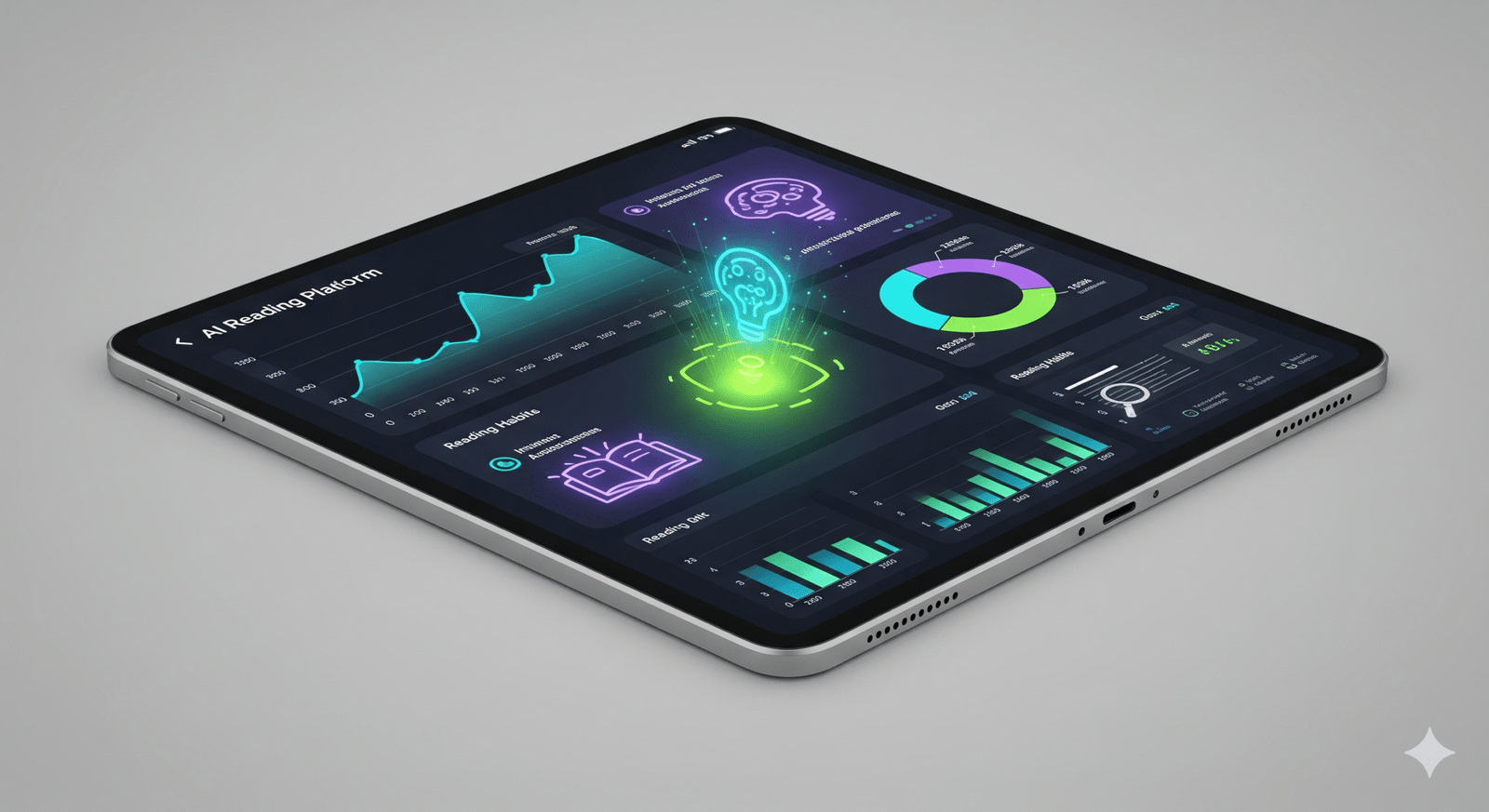
Natural Language Processing (NLP) is transforming how machines understand and interact with human language, particularly in reading comprehension. Here’s a summary of recent developments:
Advancements:
- Deep Learning Models: Deep learning models, especially those using recurrent neural networks and transformers, have significantly improved the accuracy of semantic analysis, sentiment analysis, named entity recognition, and question answering.
- Pre-trained Language Models: Models like BERT (Bidirectional Encoder Representations from Transformers) and GPT (Generative Pre-trained Transformer) have revolutionized NLP by capturing context and meaning from vast amounts of text data. Transfer learning enables these models to be fine-tuned for specific tasks, reducing the need for labeled data and training time.
- Contextual Word Embeddings: Instead of static word representations, contextual word embeddings capture the semantic meaning of words in context, allowing systems to recognize relationships between words.
- Multimodal NLP: NLP is expanding to process and understand multimodal data, including text, images, and speech. This advancement enables applications like image captioning, visual question answering, and speech-to-text transcription.
- Reading Comprehension Aids: NLP-based tools are being developed to improve reading comprehension skills through text summarization and tailored recommendations. Studies show that these tools can significantly improve comprehension scores.
- Applications: NLP advancements have led to more sophisticated conversational AI systems and chatbots that can engage in natural conversations with users. NLP is also used in various applications such as machine translation, email spam detection, information extraction, and question answering.
Trends:
- Focus on Reasoning and Context: Research is shifting towards enabling machines to perform human-like reasoning and understand nuanced meanings, including intent, sarcasm, and metaphors.
- Domain-Specific Language Models: Specialized language models for fields like healthcare, law, finance, and e-commerce are emerging, outperforming general-purpose models in specific tasks.
- Low-Latency and On-Device NLP: Edge computing is reducing dependency on the cloud, enabling real-time processing for mobile, IoT, and AR/VR applications.
- Personalized and Adaptive Learning: AI-based personalized learning platforms are being used to provide customized reading education that adapts to individual student needs and abilities.
- Multilingual and Accessibility: NLP is addressing the challenge of language barriers by facilitating language translation and making data accessible to all. NLP is also enhancing accessibility for the visually or speech-impaired through responsive screen readers and voice interfaces.
Challenges:
- Bias: Biased data used in training can skew the answers provided by NLP models.
- Coreference Resolution and Contextual Comprehension: Issues with prejudice, coreference resolution, and contextual comprehension still need to be resolved.
- Understanding implied messages: AI is still a work in progress in connecting concepts, reasoning with ideas, and understanding implied messages that aren’t specifically outlined in the text.
Commentary:
NLP for reading comprehension has made remarkable strides, driven by advancements in deep learning and the development of powerful language models. The shift towards contextual understanding and multimodal processing is particularly exciting, opening doors to more human-like interactions with machines. The development of domain-specific language models also shows promise for applications requiring specialized knowledge.
Despite these advancements, challenges remain, particularly in addressing bias and ensuring that AI can truly “read between the lines.” As NLP continues to evolve, we can expect even more sophisticated models that can better understand and generate human language, leading to increasingly advanced applications across various sectors.
Disclaimer: above content was searched, summarized, synthesized and commented by AI, which might make mistakes.
Offered by Creator: Augmented Reader is an AI-powered reading platform that enhances comprehension and engagement through intelligent assistance. By integrating advanced AI tools directly into the reading experience, it empowers researchers, students, professionals, and lifelong learners to absorb information more effectively.

Leave a Reply