
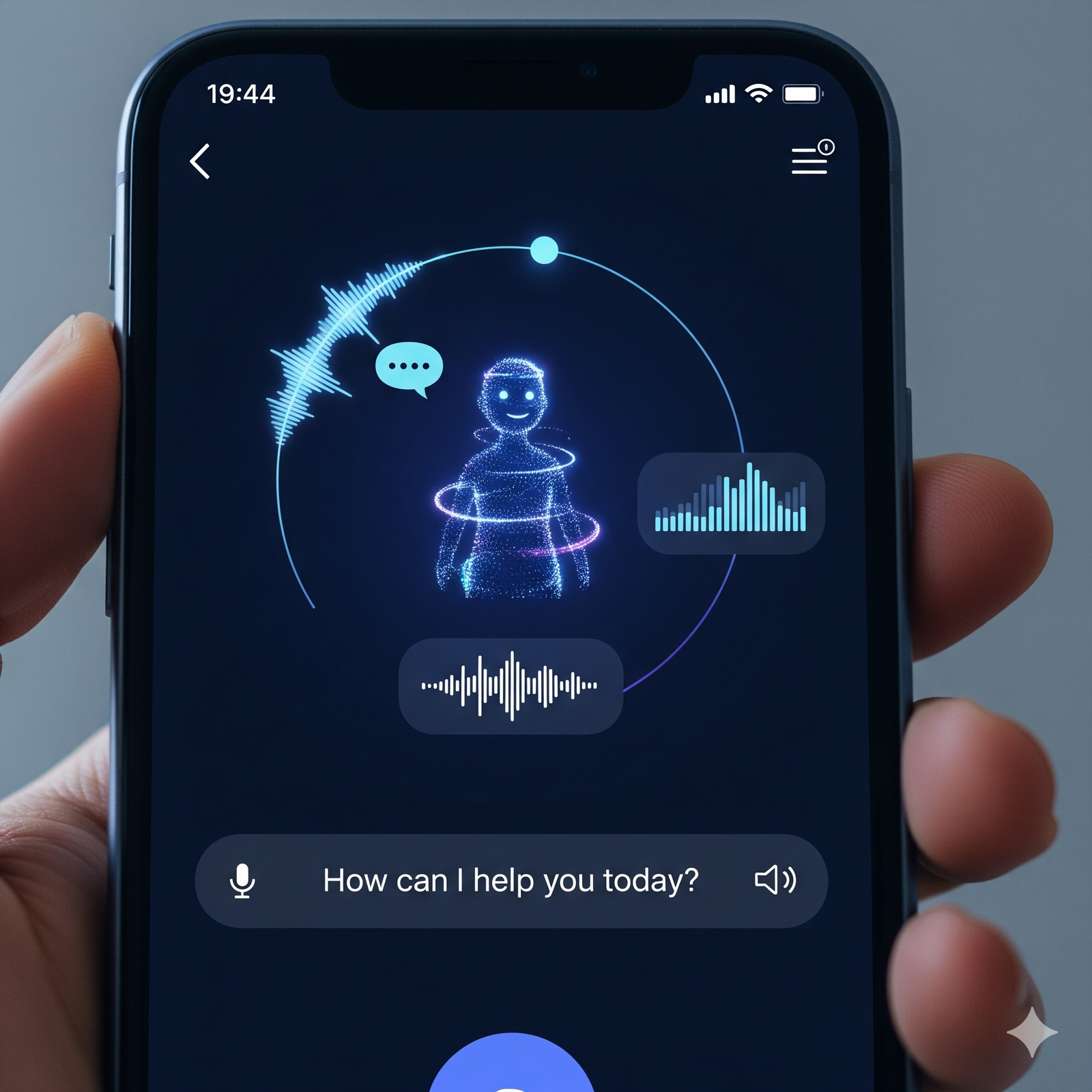
Based on my research, here are some recent developments in real-time on-device AI model optimization:
Key Trends and Developments:
- Growing Importance: The increasing deployment of AI models on edge and terminal devices is driven by the proliferation of the Internet of Things (IoT) and the need for real-time data processing. On-device AI is essential for applications needing immediate feedback, like autonomous driving and real-time health monitoring.
- Optimization Techniques: Model optimization is crucial because on-device AI models are limited by computational resources. Optimization strategies include data preprocessing, model compression, and hardware acceleration. Key technologies involve model compression, hardware optimization, and data processing acceleration.
- Model Compression Methods: Techniques like quantization, pruning, and knowledge distillation are used to create smaller, faster AI models. Quantization simplifies algorithms, pruning removes non-essential elements, and knowledge distillation transfers knowledge from large models to smaller ones.
- Hardware Acceleration: NPUs (Neural Processing Units) and GPUs (Graphics Processing Units) are vital for efficient on-device AI, handling large-scale AI training with minimal power consumption.
- Software Frameworks: Frameworks like TensorFlow Lite, PyTorch Mobile, and Core ML are optimized for mobile and edge devices, supporting the deployment of AI models directly onto devices.
- Edge Computing: Edge computing reduces latency by processing data closer to the source.
- Privacy: On-device AI enhances privacy by processing data locally, reducing the need to send data to the cloud.
- Energy Efficiency: Optimizing AI algorithms and hardware for energy efficiency is critical for a seamless user experience.
- Automated Optimization: Automated optimization tools, such as AutoML platforms, handle tasks like hyperparameter selection and neural architecture search, making AI accessible to non-specialists.
- Ecosystem Support: Windows ML streamlines model dependency management across CPUs, GPUs, and NPUs, serving as a foundation for Windows AI Foundry. NVIDIA’s RTX AI Toolkit helps developers customize, optimize, and deploy AI models on RTX AI PCs.
- Real-world Applications: Optimized models enable real-time language translation, enhanced photography, and voice recognition on smart home devices.
- Samsung’s advancements: Samsung is innovating in hardware optimization and data processing acceleration. Flash utilization technology partitions large AI models, reducing memory usage. They’ve also patented technology for quick inference on low-end devices without an NPU.
- Liquid AI: Liquid AI is focused on building efficient general-purpose AI at every scale, offering customizable architectures and compute-efficient models designed for edge deployment.
- Apple’s advancements: Apple’s Foundation Models framework in iOS 26 empowers developers to integrate AI directly onto user devices, enhancing privacy and real-time responsiveness.
Commercial Products:
- Google’s Gemma 3n: Optimized for use in devices like phones, laptops, and tablets.
- Microsoft’s Mu: A lightweight on-device Small Language Model for Windows Settings.
- Samsung Galaxy AI: Supported on devices like the Galaxy Z Fold6, Flip6, S24 series, and Tab S10 series.
- NVIDIA RTX AI PCs: Feature GeForce RTX 4070 GPUs and power-efficient systems-on-a-chip.
Surveys and Reports:
- Comprehensive surveys explore the current state, technical challenges, and future trends of on-device AI models. These surveys highlight challenges like resource constraints, energy efficiency, and privacy concerns.
Commentary:
The trend towards real-time on-device AI model optimization reflects a growing need for faster, more private, and energy-efficient AI applications. The developments in model compression, hardware acceleration, and software frameworks are making it possible to deploy sophisticated AI models on resource-constrained devices. Companies like Samsung, Google, Microsoft, NVIDIA, Apple and Liquid AI are at the forefront of this trend, developing new hardware, software, and tools to enable on-device AI. As AI continues to advance, on-device AI model optimization will become increasingly important for a wide range of applications, including mobile devices, IoT devices, and autonomous systems.
Disclaimer: above content was searched, summarized, synthesized and commented by AI, which might make mistakes.
Offered by Creator: SpeakLens is a revolutionary mobile application developed to provide users with an intuitive and immersive AI companion experience. By seamlessly integrating advanced audio and visual processing with a state-of-the-art AI model, SpeakLens enables natural conversations and real-time understanding of the user’s surroundings.

Leave a Reply