
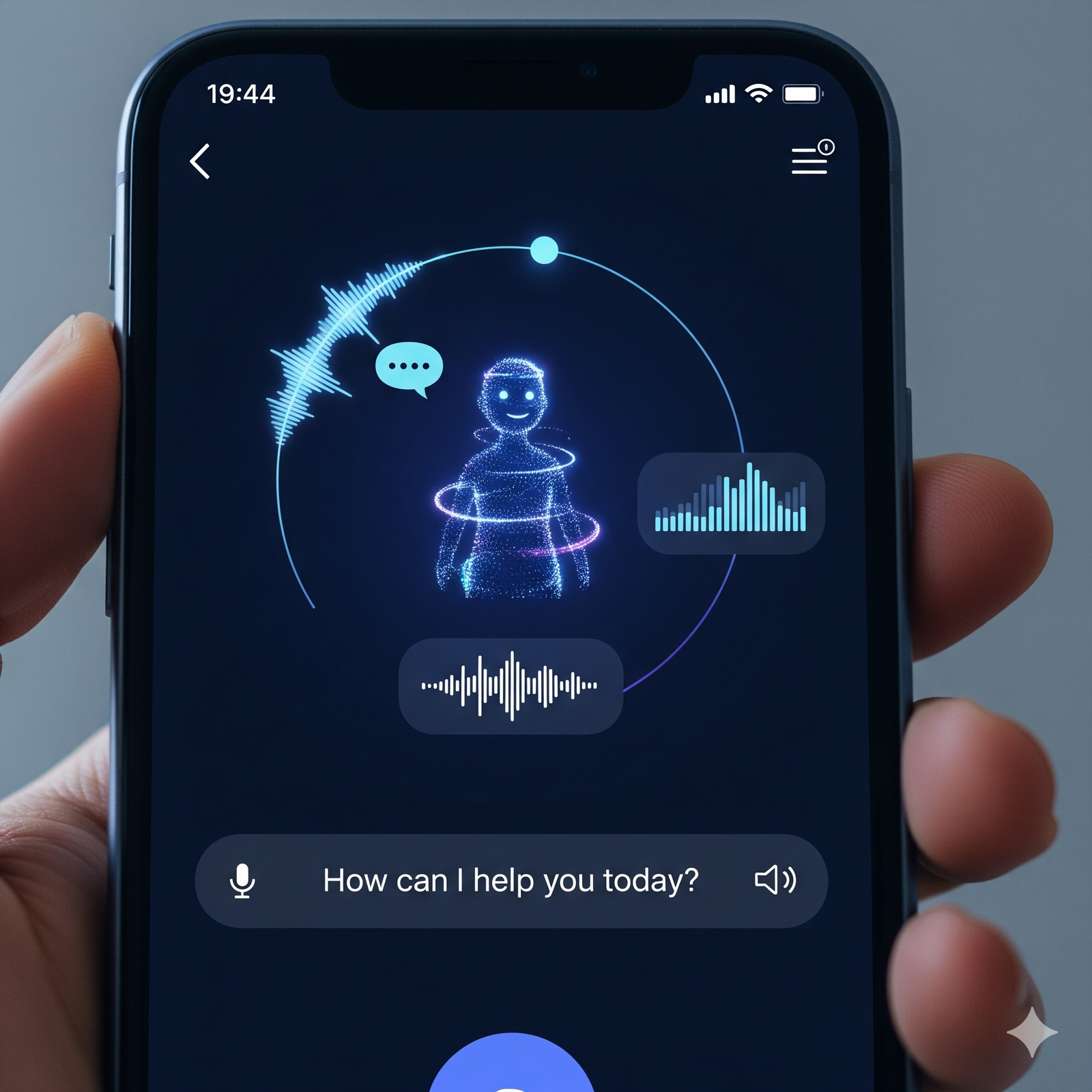
Recent developments in real-time audio and visual processing encompass a wide range of applications and research areas. Here’s a summary of some key trends:
1. AI-Powered Enhancement and Automation:
- AI-assisted content production: AI is transforming content production by automating tasks like camera tracking, audio level optimization, and real-time graphics generation. AI systems can now analyze visual, audio, and narrative elements to understand content context, enabling automated highlight generation, trailer creation, and replay sequences.
- Real-time object detection and tracking: AI systems using computer vision and deep learning algorithms can accurately identify and track objects in video streams, which is crucial for video surveillance, autonomous vehicles, and visual monitoring systems.
- AI-driven video conferencing: AI enhances video conferencing with features like background noise cancellation, improved video quality, and realistic virtual backgrounds.
- Personalized experiences: AI-powered digital signage can personalize content and advertisements based on demographics. Smart conference rooms may use computer vision and AI to automatically adjust lighting, sounds, and display configurations.
2. Immersive Audio-Visual Experiences:
- AR and VR integration: Augmented and virtual reality technologies are progressing rapidly, impacting entertainment, education, healthcare, and training.
- Spatial audio: Spatial audio technologies are becoming mainstream, providing a three-dimensional sound experience in home entertainment, cinemas, and live events. Object-based audio allows sound designers to precisely position and move audio elements in a 3D space for more realistic audio experiences.
- Cloud platforms: Cloud platforms are powering mixed reality applications and digital experiences across devices.
3. Real-time Audio-Visual Speech Enhancement:
- AV speech enhancement applications: Real-time audio-visual speech enhancement applications isolate a target speaker’s voice from noisy audio input, suppressing background sounds. These applications can be used for video conferencing and hearing aids.
- Attention modulation: Research indicates that attention modulates audiovisual processing and interaction, depending on the congruence and quality of sensory input. Studies use rapid invisible frequency tagging (RIFT) and magnetoencephalography (MEG) to investigate how attention affects auditory and visual information processing and integration during multimodal communication.
4. Advancements in Display Technology:
- dvLED video walls: dvLED video walls are gaining popularity due to their modularity, flexibility, superior image quality, and brightness, making them suitable for various applications.
- Interactive and adaptive displays: Displays are becoming more intelligent and interactive, with multi-touch displays allowing for natural gestures and multi-user interactivity. Foldable and flexible displays can adapt content and change form factors.
5. Real-time Speech Data Applications:
- Speed and accuracy: Real-time speech data processing enables faster and more accurate responses in various sectors, including customer service, healthcare, and education.
- Key technologies: Technologies like Automatic Speech Recognition (ASR), Natural Language Processing (NLP), edge computing, and cloud integration are crucial for real-time speech data applications.
Commentary:
The field of real-time audio and visual processing is rapidly evolving, driven by advancements in AI, cloud computing, and display technologies. The trend towards immersive experiences is particularly noteworthy, with AR/VR, spatial audio, and interactive displays creating more engaging and realistic environments. AI-powered automation is also transforming content creation and video conferencing, making these processes more efficient and accessible. As technology continues to advance, we can expect even more sophisticated and innovative applications of real-time audio and visual processing in the future.
Disclaimer: above content was searched, summarized, synthesized and commented by AI, which might make mistakes.
Offered by Creator: SpeakLens is a revolutionary mobile application developed to provide users with an intuitive and immersive AI companion experience. By seamlessly integrating advanced audio and visual processing with a state-of-the-art AI model, SpeakLens enables natural conversations and real-time understanding of the user’s surroundings.

Leave a Reply