
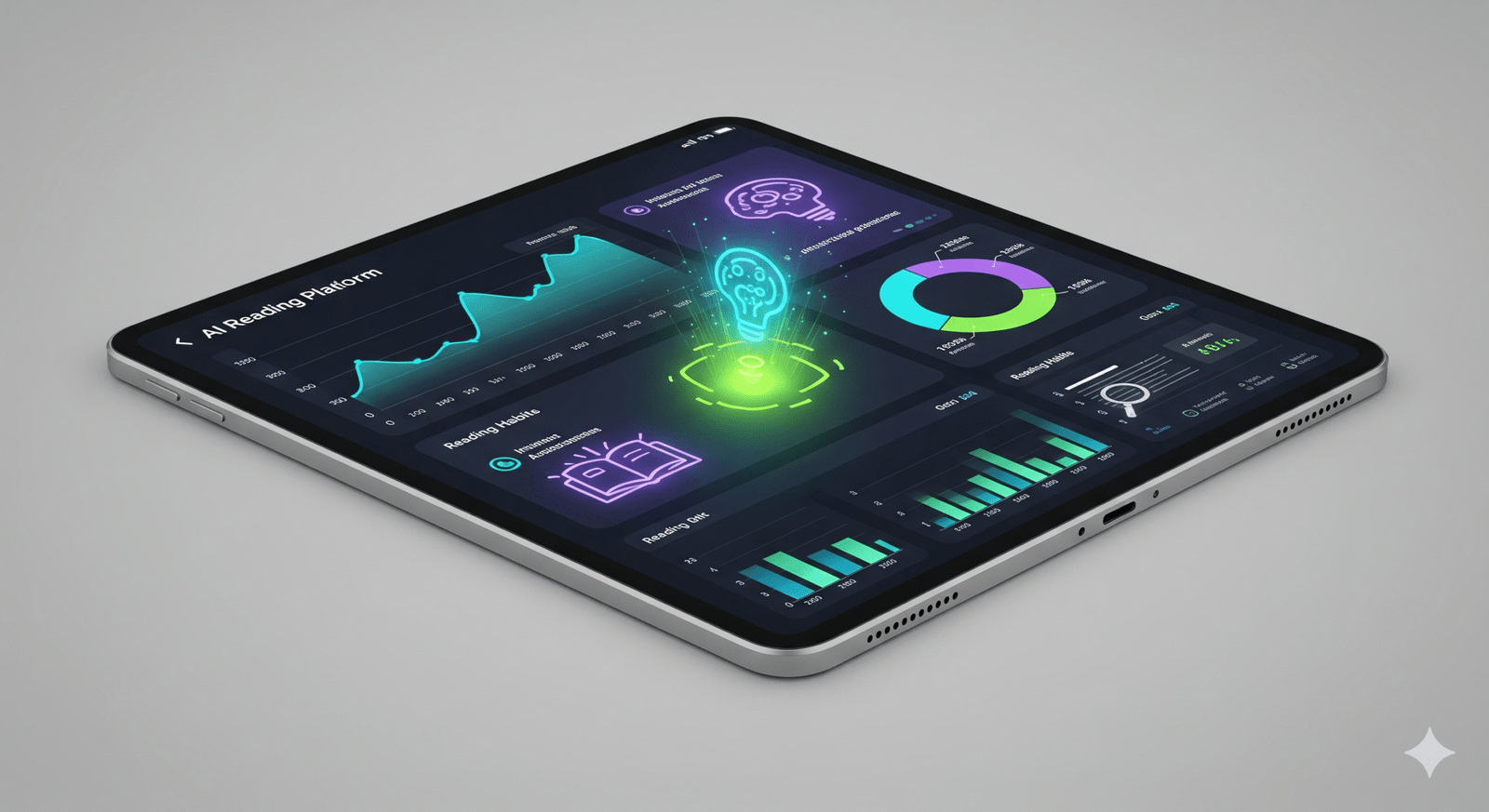
Reading comprehension technology is rapidly evolving, with recent developments spanning diverse areas, including AI-powered platforms, screen-free solutions, and personalized learning tools. Here’s a synthesis of these developments:
Recent Developments in Reading Comprehension Technology:
- AI-Powered Reading Platforms: AI is being used to provide real-time, personalized support for readers. Platforms like Readability use AI to analyze a student’s pronunciation, reading speed, and comprehension, offering immediate feedback and suggesting targeted practice. These platforms provide immediate feedback loops and can strengthen learning in the moment.
- Screen-Free Reading Tools: In response to concerns about screen time, companies are developing screen-free solutions that leverage technology to improve reading comprehension. Identiv has partnered with TUK to create a screen-free reading tool that pairs physical books with guided audio using NFC technology. This solution is designed for classrooms, libraries, and homes, and aims to improve reading comprehension and independence.
- Adaptive Learning Technologies: These technologies use algorithms to tailor reading experiences to individual student needs. These systems analyze student performance and adjust the difficulty of reading materials accordingly. Platforms like Newsela adjust the reading level of news articles to match a student’s reading ability, providing a personalized reading experience.
- Gamified Learning: Gamification is being used to transform reading into a rewarding experience. Gamified platforms use points, badges, progress bars, and leaderboards to motivate students. This approach can increase motivation and encourage students to stick with challenging tasks.
- Text-to-Speech and Speech-to-Text Features: These features support diverse learning needs, including students with dyslexia or visual impairments. Text-to-speech tools allow students to hear text read aloud, improving word recognition and pronunciation. Speech-to-text features help children build writing skills by narrating stories and having the tool transcribe their words.
- Interactive E-books: Interactive e-books enhance comprehension skills through multimedia elements, gamification, and personalized content. They often include options to read aloud, speech bubbles, engaging animations, and built-in dictionaries.
- Digital Reading Platforms: Digital platforms are revolutionizing how students engage with reading material. These platforms often have built-in tools that enhance the reading experience, such as highlighting, annotation, note-taking, integrated dictionaries, and translators.
- Reading for Spanish Speakers: BeeReaders is a digital platform designed to help K-12 students who speak Spanish develop their love for reading. The platform offers thousands of short texts and hundreds of books, with a focus on cultural connection and engagement.
Commentary:
The developments in reading comprehension technology reflect a growing awareness of the diverse needs of learners and the potential of technology to personalize and enhance the reading experience. The shift towards AI-powered platforms and adaptive learning technologies suggests a future where reading instruction is tailored to each student’s unique strengths and weaknesses. The emphasis on screen-free solutions and blended learning models also highlights the importance of balancing technology with traditional reading methods.
However, some studies suggest that digital reading may not provide the same comprehension benefits as print reading, especially for younger students. It is important for educators to be mindful of these findings and to use technology in a way that complements, rather than replaces, traditional reading practices. Despite the potential drawbacks, technology offers many opportunities to improve reading comprehension, including increased engagement, personalized learning, and access to a wider range of reading materials. By carefully integrating technology into reading instruction, educators can help students develop the skills they need to become successful readers in the 21st century.
Disclaimer: above content was searched, summarized, synthesized and commented by AI, which might make mistakes.
Offered by Creator: Augmented Reader is an AI-powered reading platform that enhances comprehension and engagement through intelligent assistance. By integrating advanced AI tools directly into the reading experience, it empowers researchers, students, professionals, and lifelong learners to absorb information more effectively.

Leave a Reply